
Storing and Organizing for Dummies
August 24, 2026
The ultimate guide to storing and organizing your card collection
Once your cards are in sleeves or rigid cases, the crucial question of storage arises. A poor storage choice can warp cards, expose them to dust, or make your collection completely unreadable.
From simple sorting of Base cards to securing your major Hits, here is the most comprehensive technical guide to organizing and storing your treasures.
1. Different storage supports
The choice of support mainly depends on the volume of your cards and how often you wish to consult or move them.
A. Binders: For flipping through your collection
The binder remains the most immersive way to enjoy your collection. However, the very structure of the binder determines the level of security offered to your cards.
A. Ring Binders
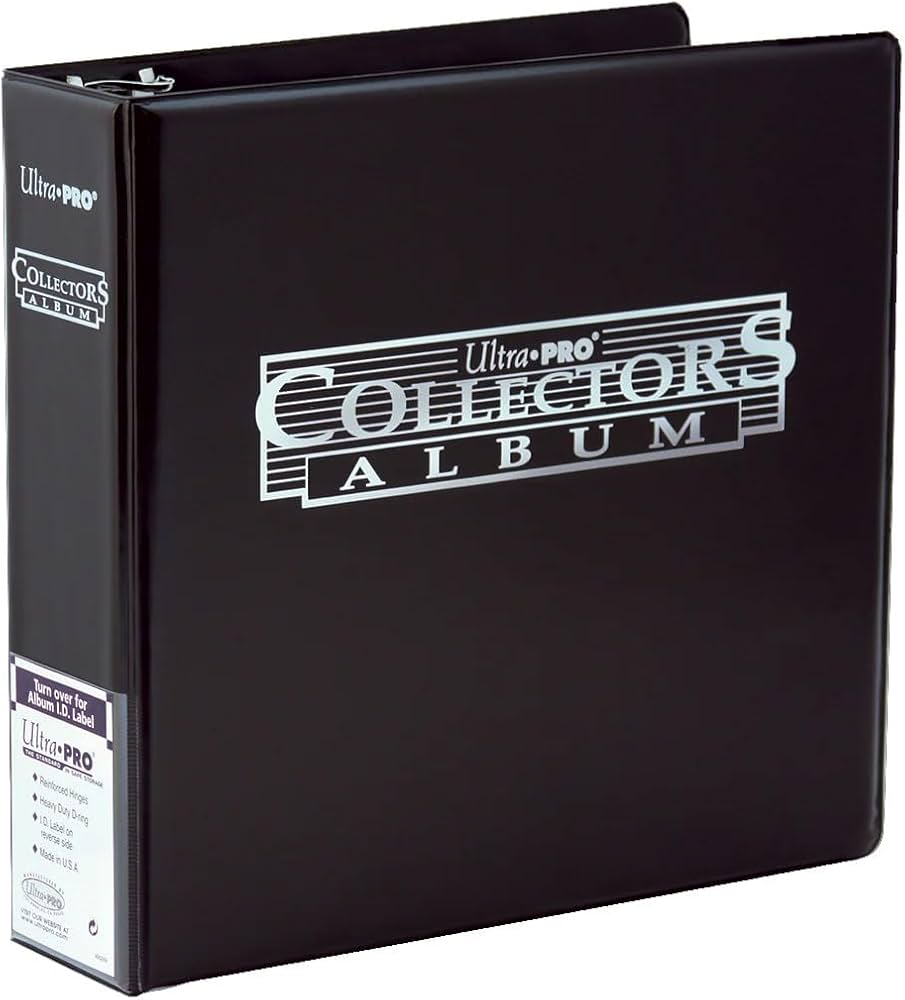
Ring binders (3 or 4 rings):
How they work: Rigid cover articulated around metal mechanisms where removable pages are inserted.
The danger (Ring Dent): If the binder is too full or mishandled, the left page hits the central ring when closing, crushing the edge of the cards located along the mechanism.
To prefer if you choose rings: Opt exclusively for D-rings (not O-rings). D-rings allow for a straight spine where pages lie flat, significantly limiting pressure.
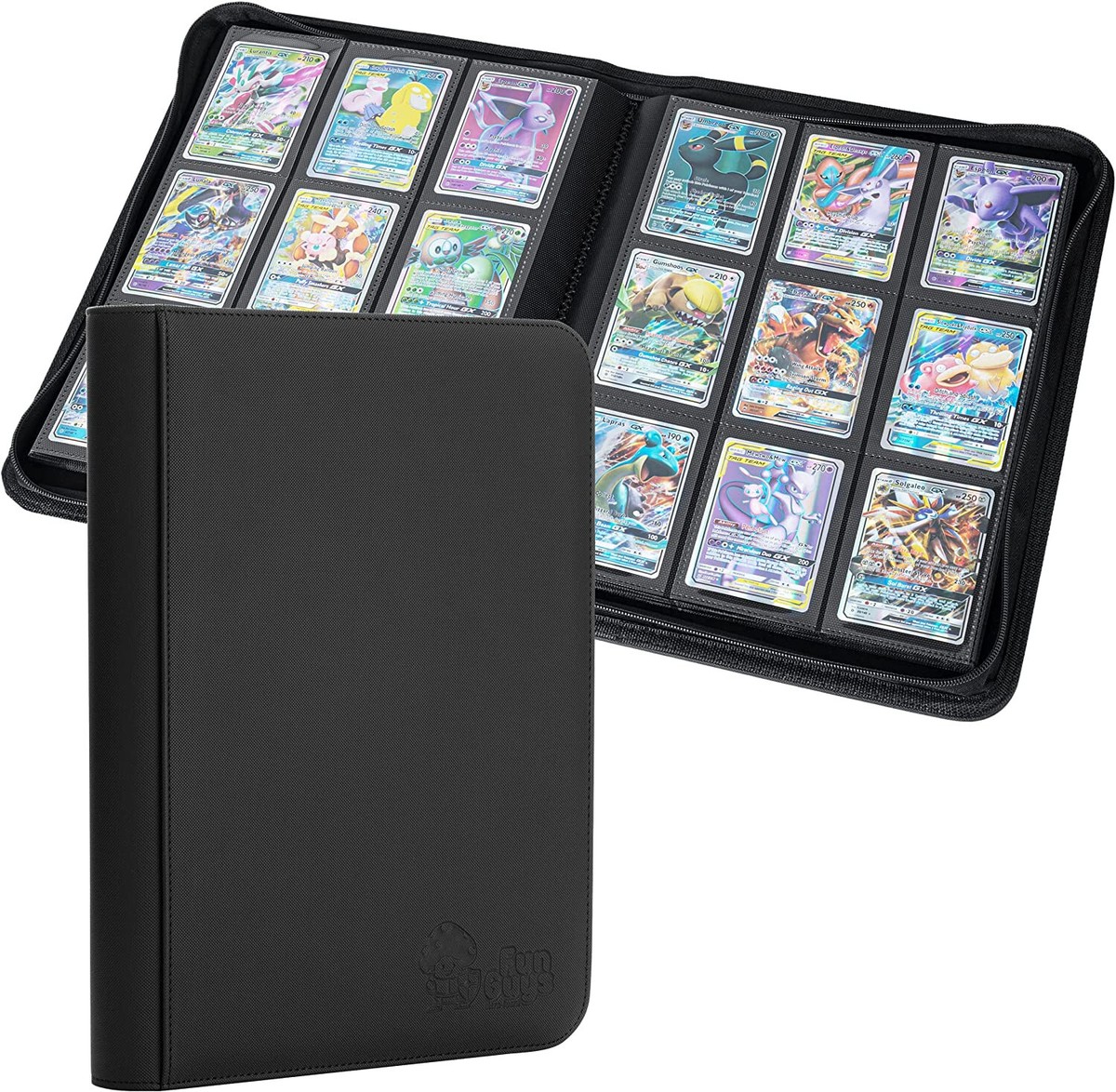
Heat-sealed Binders (Ringless):
How they work: Pages are directly sewn or heat-sealed to the binder's spine. There are no metal elements.
Advantages: Zero risk of ring dent, better durability over time, thinner profile, and maximum protection.
B. Different closing systems
Open binders: Free entry for dust, ambient humidity, and light. Reserved for storage on closed shelves.
Elastic closure: Practical, but the elastic eventually loosens or can create asymmetrical pressure on the binder's edge if too tight.
Zipper closure (Zip Binders): The standard of excellence (e.g., Xenoskin, Ultra PRO Premium). The Zip completely isolates the interior from dust, insects, and splashes.
C. The specific case: Toploader Binders
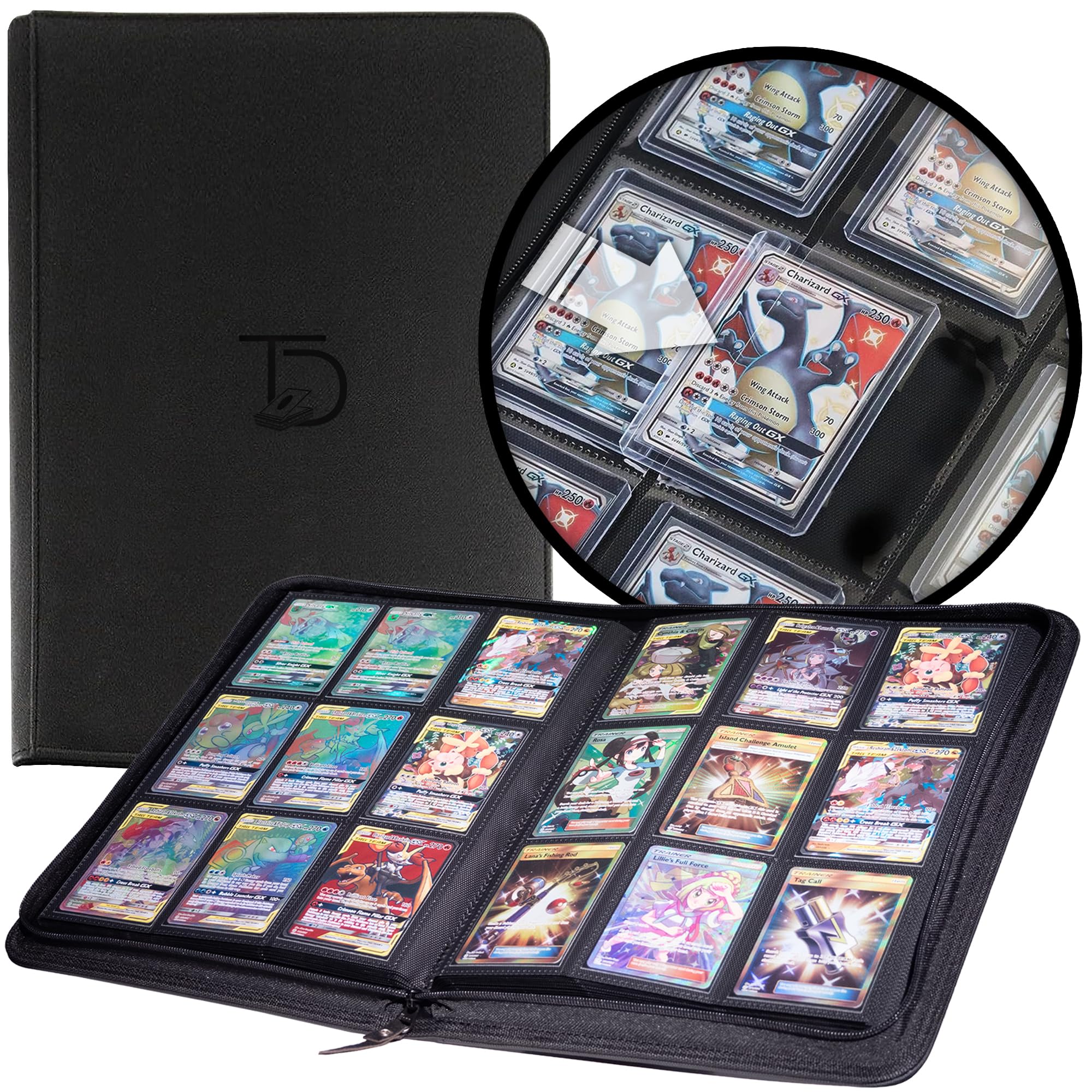
For a long time, putting a card in a toploader meant its owner had to store it in a box. Today, there are Toploader Binders:
Features: Wider pockets and reinforced plastics to directly accommodate 35pt rigid cases.
Usage: Ideal for flipping through your valuable cards (Rookies, numbered Parallels) without compromising rigid protection.
2. Binder Pages: Formats, Materials, and Quality
The page is in direct contact with your card. Choosing the wrong material or cut can ruin the condition of your pieces.
A. Insertion direction: Top-Loading vs Side-Loading
Top-Loading (Insertion from the top): Traditional, but has two weaknesses: if the binder is turned upside down, the card can slip out. Moreover, dust falls directly into the pocket.
Side-Loading (Lateral insertion): The card is inserted from the inner side of the page. Even if the binder is turned upside down, the cards remain blocked. Once the binder is closed, access to the pocket is completely sealed.
B. Number of pockets per page
9 pockets (9-Pocket): The most common format (18 cards front and back). Perfect balance between visibility and bulk.
12 pockets (12-Pocket / QuadRow): Landscape format opening to 4 columns per page. Very popular for displaying sets of 4 cards (e.g., color/parallel rainbows of the same player).
4 pockets (4-Pocket): Compact format, practical to carry in a bag for trading at shows.
Specific formats (1, 2, 6 or 8 pockets): Dedicated to Booklets, large relic cards, 8x10 photos, or Printing Plates.
C. Page Materials: PP, PVC, and Black Backing
Polypropylene (PP): Mandatory material. Neutral, acid-free, chemically neutral.
Black backing pages (Black Backing / Sided): The compartments have a black textured fabric backing (micro-felt) between the two sides. This prevents card-on-card rubbing when double-sided, improves visual contrast, and stiffens the page.
D. Comparative Zoom: Ultra PRO Silver Series vs Ultra PRO Platinum Series
Ultra PRO is the historical benchmark for 9-pocket (top-loading ring) storage pages. Their two flagship ranges, Silver and Platinum, seem similar at first glance, but they meet very different needs and budgets.
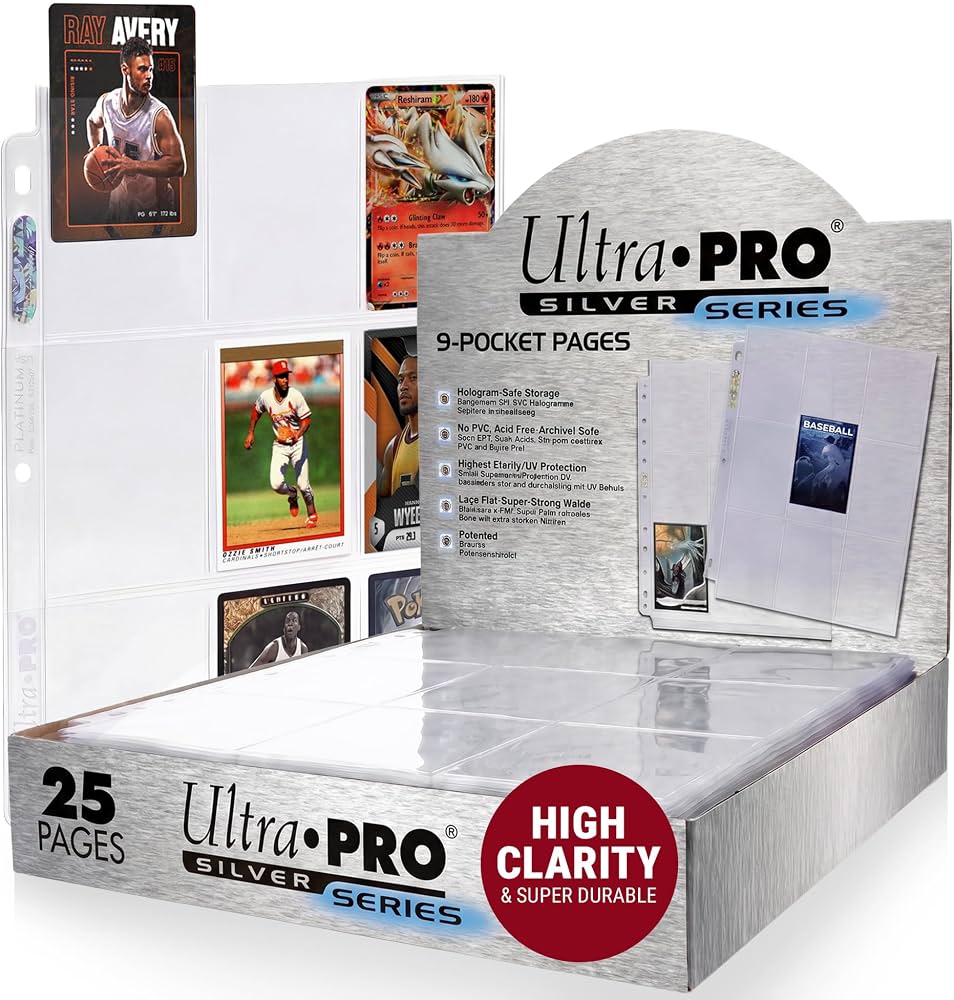
Thickness and rigidity: The plastic is thinner and more flexible. The page offers correct protection but remains pliable.
Weld quality: Standard welds. If you force an insertion of a slightly too thick card (e.g., 55pt or 75pt), the pocket weld may give way on the sides.
Clarity: Good transparency, but the plastic tends to develop slight folds or visual micro-waves over time.
Ideal use: Storing large volumes of Base sets, secondary collections, or for collectors on a tight budget.
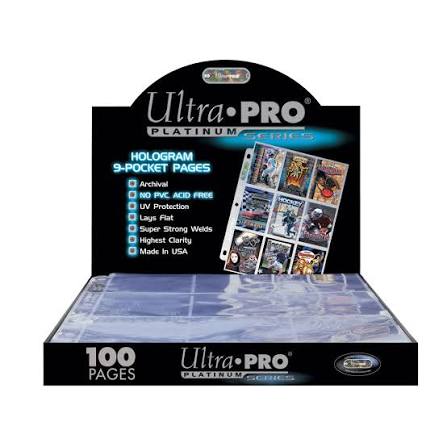
Thickness and rigidity: Made from a significantly denser and thicker polypropylene. The page is rigid, stands perfectly straight, and does not deform under the weight of the cards.
Weld quality: High-precision welds called "Ultra-Sealed". They are ultra-resistant and do not tear, even with frequent handling.
Clarity and protection: Archival grade transparency, ultra-crystalline. The plastic incorporates superior treatment against yellowing and offers better resistance to micro-scratches.
Reinforced spine: The side strip containing the perforations for the rings is doubled and pre-punched to prevent the page from tearing out of the binder under its own weight.
Ideal use: Protecting and displaying your best cards (Rookies, Parallels, autographs) and ensuring very long-term preservation.
Feature | Ultra PRO Silver Series | Ultra PRO Platinum Series |
Plastic Thickness | Thin to Medium (Flexible) | Thick (Rigid) |
Weld Strength | Standard | Reinforced (Ultra-Sealed) |
Perforation Strip | Single | Doubled / Reinforced |
Visual Quality / Clarity | Good (Slight reflections) | Crystal / Archival Quality |
UV Protection & PVC-Free | Yes (Polypropylene) | Yes (Superior Polypropylene) |
Value for Money | Unbeatable for volume | Higher price, premium finish |
Recommendation | Base cards / Complete sets | Rookies, Inserts, Valuable cards |
3. Boxes, Chests, and Cases: From bulk to reinforced transport
When the collection exceeds several thousand cards or involves very high-value cards, other solutions are necessary.
A. Rigid cardboard boxes (Carbonite Boxes)
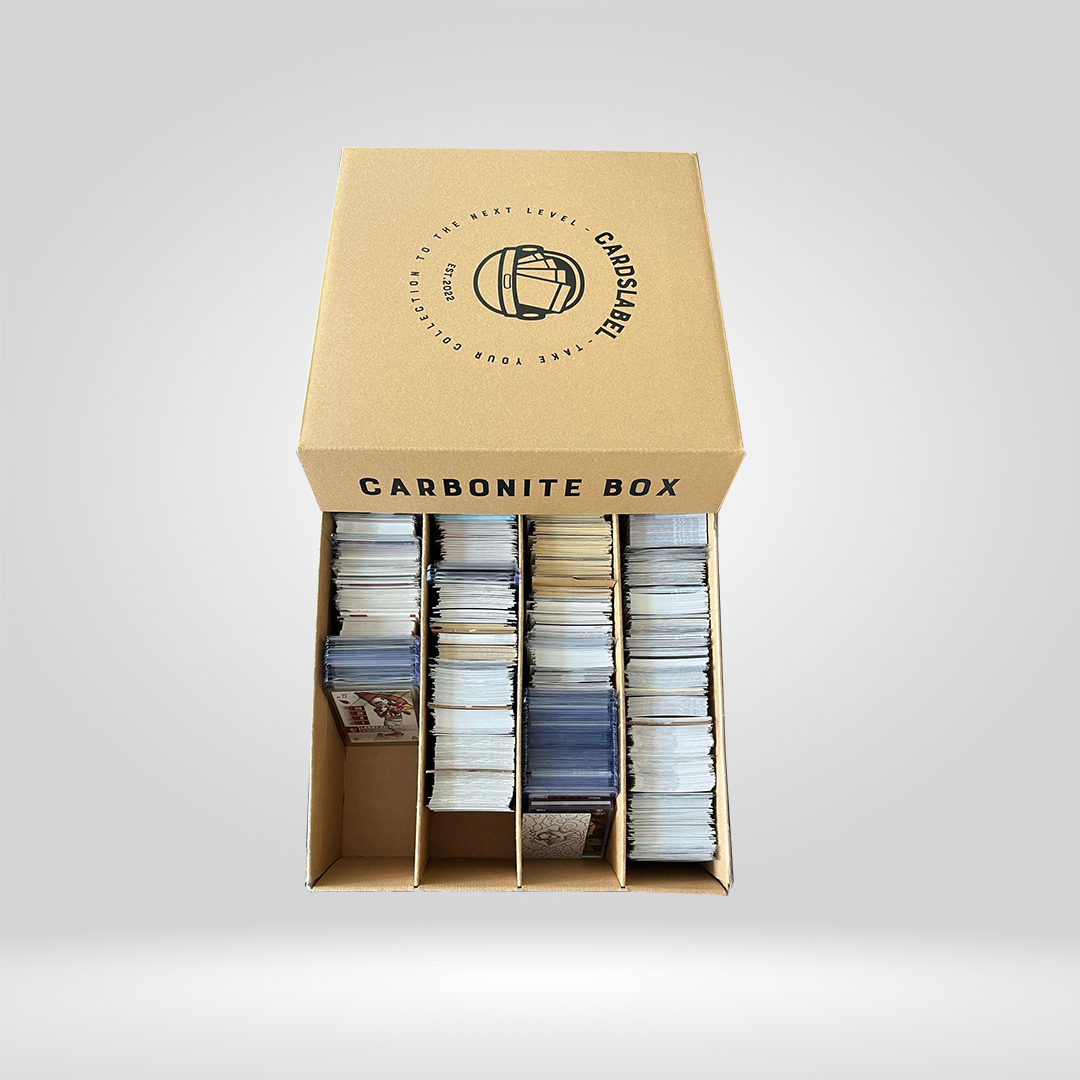
This is the most economical storage system for Base cards, trade lots, or bulk.
Shoeboxes (2 rows) & Monster Boxes (4 to 5 rows): Designed by specialists like BCW or CardsLabel, these heavy corrugated cardboard boxes support massive stacking.
Pay attention to widths: Check if you are buying boxes for bare/sleeved cards (Standard) or for cards in toploaders (Vault Boxes), the latter being wider and taller.
B. Rigid plastic boxes and drawer modules
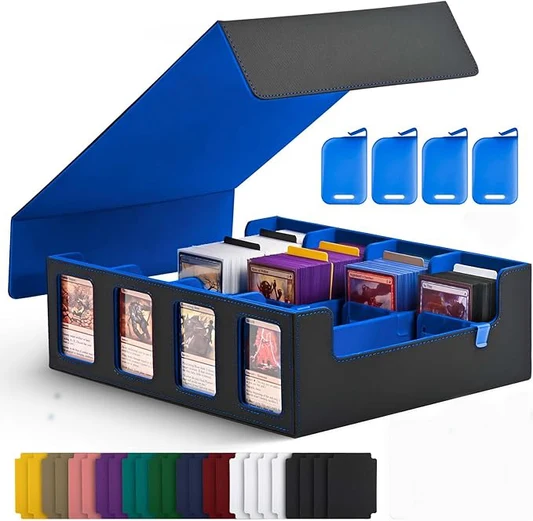
Acrylic boxes: More durable and aesthetic than cardboard, waterproof against splashes.
Drawer modules for shelves: Ideal for sorting by year or team while maintaining quick access without having to lift heavy boxes.
C. Reinforced cases and briefcases
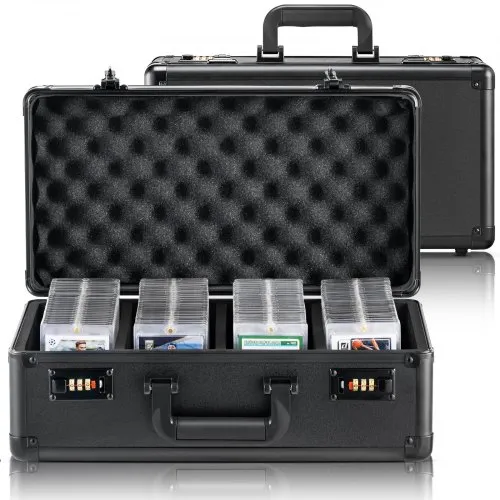
For transport during Card Shows or securing very high-value cards (Hits, PSA 10, One-Touch).
Design: Rigid external structure in polycarbonate or aluminum, reinforced closures, and key or combination locks.
Interior: High-density (EVA) foam pre-cut into rows. The foam absorbs thermal and physical shocks.
Compatibility: They are specifically sized to vertically store grading slabs (PSA, BGS, SGC, PCA), Beskard cases, or One-Touch holders.
4. Sorting Systems: How to Organize Your Collection
Physically storing is one step, but structuring the classification logic is another. Here are the sorting methods applied by professional collectors.
A. The 4 Main Organization Methods
By Athlete / Player PC (Personal Collection): Group all cards of a player, arranged chronologically by release year, from Rookie card to end of career.
By Team / Franchise (Team PC): Thematic classification by franchise (e.g., Los Angeles Lakers or Real Madrid). Practical for sorting inserts and low-value parallels.
By Set / Master Set (Set Building): Strict arrangement according to the official numbering on the back of the card (e.g., Panini Prizm Basketball 2024-25 from card #1 to #300).
By Value / Card Type: Physical separation by importance level:
Base cards / Series: In cardboard boxes.
Inserts / Simple Parallels: In binders or toploaders.
Autographs / Patches / 1-of-1: In One-Touch/Beskard in a reinforced case.
B. The indispensable role of Dividers
In storage boxes, the use of rigid plastic dividers eliminates the risk of scattering.
Color coding: Define a divider color by sport, year, or team.
Labeling: Write the year, set name, or thickness (PT) on the top tab of the divider to locate a section without removing all cards.
5. Environment and Conservation: Preventing Degradation
Even in the best binder, a card can suffer irreversible environmental damage if its storage location is inadequate.
A. Humidity
Humidity causes cardboard to warp and leads to "fusing" (cards with glossy surfaces like Chrome or Foil stick together and tear when peeled apart).
Solution: Store in a regulated room (never in a basement or attic). Place silica gel packets in each box, case, or binder.
B. Direct Light (UV Rays)
UV rays fade inks and permanently erase felt-tip autographs. Keep your binders and cases closed, away from direct sunlight.
Pressure and Position
Always store binders VERTICALLY (like books). If you stack 5 binders flat, the weight from above will compress the cards at the bottom and mark any raised features.
Store your card boxes correctly and avoid over-compressing them when filling.